
 Admin
AdminThe best best ways detect aigenerated is actually easy.
It is getting harder to trust your own eyes these days. From viral celebrity deepfakes to hyper-realistic AI art, the line between reality and software is blurring. I have spent weeks testing different tricks to spot these fakes, and I am sharing my top 5 ways detect aigenerated content so you never get duped again.
1. Look closely at the hands and fingers
👉 Want better results? Try this now.
This is the classic giveaway that never gets old. AI models still struggle with human anatomy, especially when it comes to hands, fingers, or even teeth. If a person in an image has six fingers or hands that seem to melt into their body, you are looking at a machine, not a human.
- Count the fingers: Humans always have five.
- Check the knuckles: AI often blurs them into smooth lines.
- Look at rings or watches: These objects often distort or change shape.
If the anatomy looks even slightly like a Salvador Dali painting, walk away. It is definitely a fake.
It feels like a bad dream when you see a hand with extra digits, but it is the quickest way to spot the deception.
2. Inspect the background for weird artifacts
When you focus on the main subject, you usually ignore the rest of the image. That is exactly what the AI wants you to do. I often find that background objects are the first to break down. You might see buildings that look warped or random shapes that do not make any sense.
- Check for straight lines in architecture.
- Look for random, blurry blobs that should be objects.
- See if the text on signs is unreadable gibberish.
Here is the truth: AI is great at textures but terrible at logic.
The background is where the AI gets lazy. If the geometry is messy, the image is fake.
If you see a sign that looks like it was written in a secret alien language, you know it came from a generator.
3. The best best ways detect aigenerated – Use professional detection software
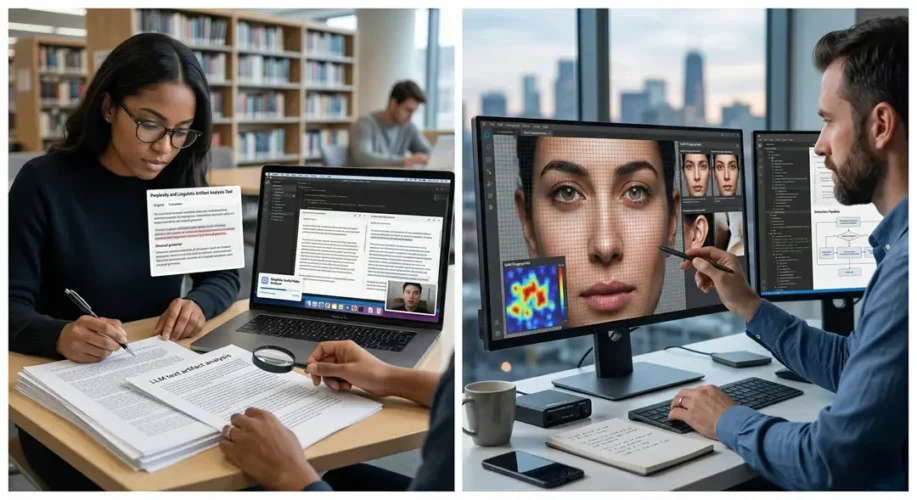
Sometimes your eyes are not enough. If you really need to be sure, there are specialized tools built to analyze metadata and pixel patterns. I rely on Hive Moderation and Illuminarty to run quick checks on suspicious photos I find online.
- Upload the file to AI or Not for a percentage score.
- Use these tools to verify if an image was manipulated.
- Always keep a backup of the original if you are investigating a scam.
I don’t trust my gut feeling alone anymore. I let the software do the heavy lifting.
4. Check for impossible lighting and shadows
Physics is hard, even for a supercomputer the best ways detect aigenerated includes many aspects. A real photo follows the laws of light, meaning shadows should always align with the light source. In AI images, you often see shadows that go in two different directions or reflections that do not match the object they are supposed to be showing.
- Look for light hitting a face from two different sides.
- Notice if shadows disappear underneath objects.
- Check if the reflection in someone’s glasses shows the right surroundings.
Let me be real: light never lies, but AI often fails to understand it.
If the shadow is doing its own thing, the image is a total sham.
It is one of those things you can’t unsee once you start looking for it.
5. Search the source with reverse image tools
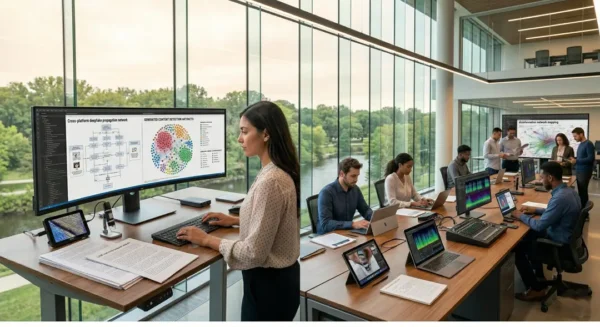
One of the most effective best best ways detect aigenerated images is to see if the photo exists anywhere else. I always use Google Reverse Image Search to see the origin of an image. If a photo claims to be a breaking news event but cannot be found on any reputable news site, it is likely a deepfake.
- Right-click any image and select “Search image with Google.”
- Check TinEye to see the earliest version of the upload.
- Verify if the person in the photo actually exists or has a digital footprint.
This is where most people mess up: they share first and check later. Don’t be that person.
Common Mistakes to Avoid
Many people assume that if an image looks “high quality,” it must be real. That is a dangerous mistake. In fact, many AI photos are specifically designed to look too perfect, with smooth skin and unreal lighting. Another mistake is forgetting to check for watermarks. Often, the AI tool leaves a tiny, distorted symbol in the corner that gives it away instantly.
FAQs
Are all AI images easy to spot?
Not anymore. While the free tools are getting better, professional-grade deepfakes are becoming nearly impossible to catch without advanced software.
Can these methods work on video?
Yes, but videos are harder. You need to watch for blinking patterns or mouth movements that don’t match the spoken audio.
Should I trust a “verified” social media account?
No. Even hacked or bought accounts are now spreading AI-generated content to gain traction, so always cross-reference the source.
Related Keywords
spot fake photos, deepfake detection tools, identify ai art, verify online images, digital manipulation signs, how to spot ai
Related Articles
- Did you know? Your smart TV is likely tracking every show you watch
- How to Use Chatgpt Write – use ChatGPT to write professional emails the right way
- Top 5 Secure Browsers That Protect Data Better Than Chrome
- Did You Know? Dark Mode Only Saves Battery On Specific Screen Types
- The First Computer Bug Was an actual moth
For more details, check the official guide: Microsoft Support.